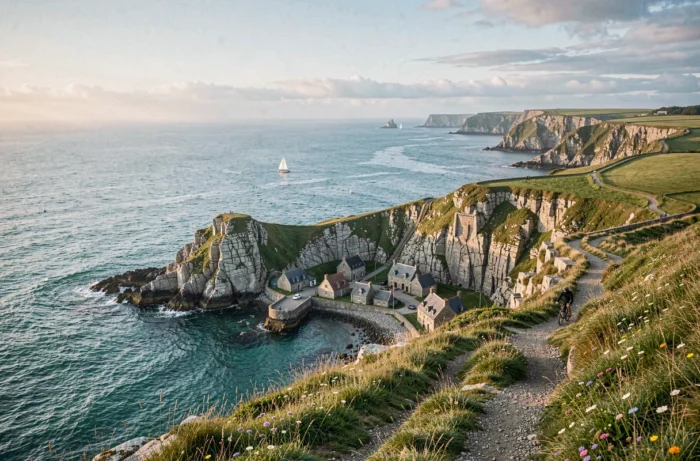
Holidays in Brittany are not just about a list of monuments and crowded beaches. We recommend focusing on specific experiences, tailored to the seasonality and visitor constraints that have affected certain sites since the introduction of access quotas. Here are ten concrete ideas, tested on the ground, for a stay that goes off the beaten path.
1. Organize your visit to Bréhat with the quota system
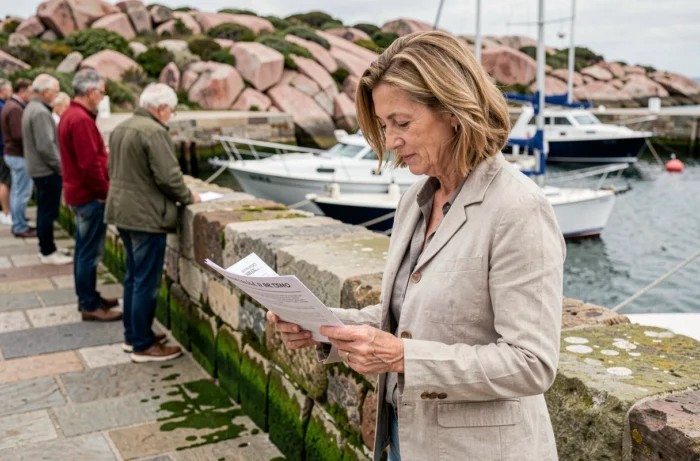
Bréhat now applies tourist quotas with mandatory reservation of shuttles during the high season. The shuttles close once the daily quota is reached, which requires planning your crossing several days in advance.
We recommend prioritizing weekdays and morning slots. The island can be explored on foot in a few hours, and arriving early allows you to discover the wild north before the influx of visitors. Check the reservation conditions before blocking your day.
To explore other Breton activity ideas, holidays on Jeune Bretagne offer a comprehensive overview of possibilities by region.
2. Cycle along the northern Breton coast on an electric bike
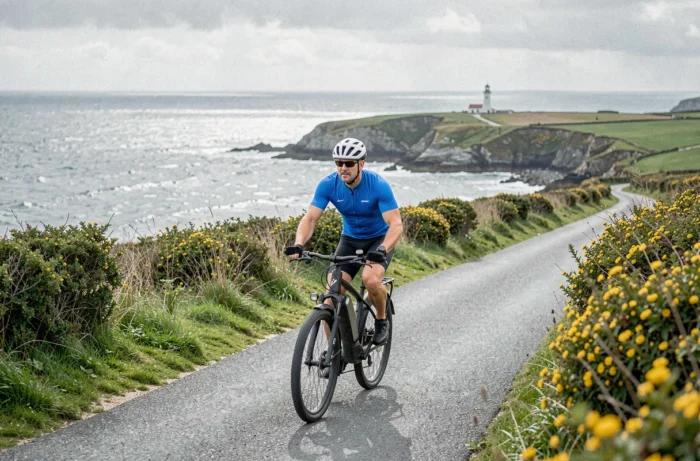
Cyclotourism is booming in Brittany, driven by the rise of electric-assisted bicycles. Greenways and bike routes cover an increasing part of the northern coastline, between Saint-Brieuc and Roscoff.
The EAB changes the game on the hilly sections of the Pink Granite Coast. Local rental companies offer models suitable for travel bags. A four to five-day cycling trip allows you to connect Perros-Guirec to Morlaix without straining, alternating between beaches, coastal paths, and breaks in village crêperies.
3. Harvest and taste oysters with an oyster farmer in Morbihan
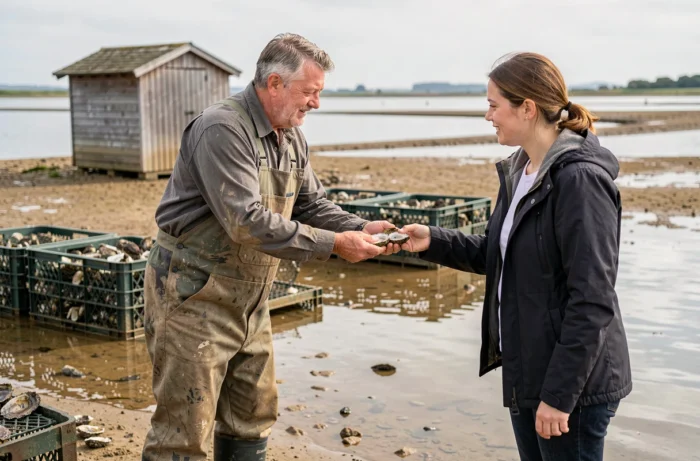
Several oyster farms in the Gulf of Morbihan open their parks to visitors. You put on boots, learn to turn the bags, and taste on-site with rye bread and muscadet.
This activity operates at low tide, which means you need to time your visit with the tide schedule. The experience usually lasts half a day and is suitable for families with children from six or seven years old.
4. Discover Breton seaweed cuisine
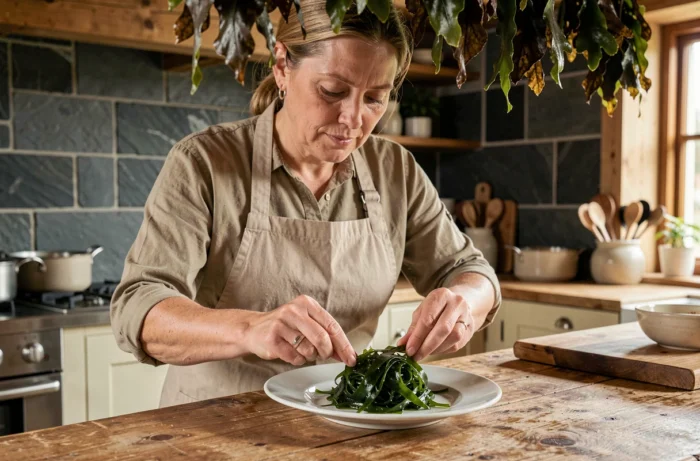
Brittany concentrates the majority of French food seaweed production. Some restaurants in Finistère offer entire menus based on wakame, dulse, or sea lettuce.
A complete menu featuring Breton seaweeds goes beyond seaweed tartare: starters, main courses, and desserts incorporate these marine plants in various forms. We observe that several establishments around Brest and Roscoff specialize in this niche, sourcing locally from harvesters.
5. Sail on a traditional boat in the Glénan archipelago
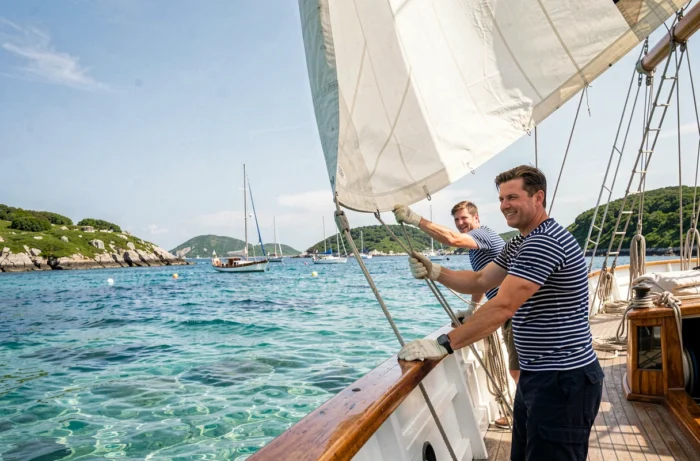
The Glénan islands remain one of the few French archipelagos with waters comparable to tropical lagoons. Learning to sail on a traditional rig or a dinghy in this preserved environment is a unique experience.
Nautical centers offer multi-day courses that include awareness of eco-responsible sailing. The setting imposes a slow pace, dictated by the wind and currents, far from conventional motorized crossings.
6. Explore the Crozon peninsula off the beaten path
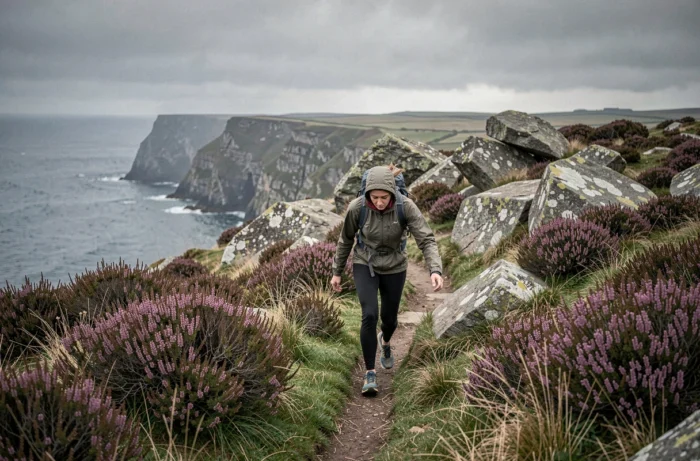
The Crozon peninsula offers an uncommon density of landscapes between the tip of Pen-Hir, the Tas de Pois, and the coves accessible only on foot. The cliffs of Crozon are among the most varied geological formations on the French coastline.
The GR 34 trail crosses the peninsula, but the less frequented sections are between Camaret and Roscanvel. Expect two to three days of hiking to cover the essentials, with accommodations in stage gîtes.
7. Observe dolphins in the bay of Saint-Malo without disturbing them
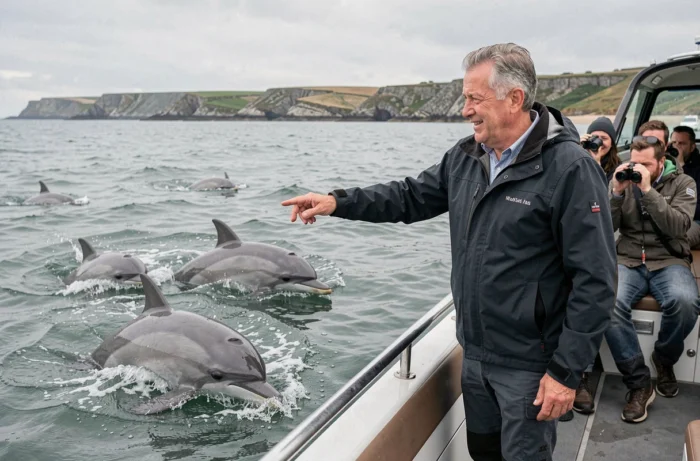
Guided sea outings allow you to observe the resident bottlenose dolphins off the Emerald Coast. Certified operators maintain minimum approach distances and cut engines near the groups.
The most favorable period extends from spring to autumn. We recommend checking that the provider adheres to a responsible observation charter, which ensures minimal impact on the cetaceans.
8. Sleep in an eco-lodge on a Breton island
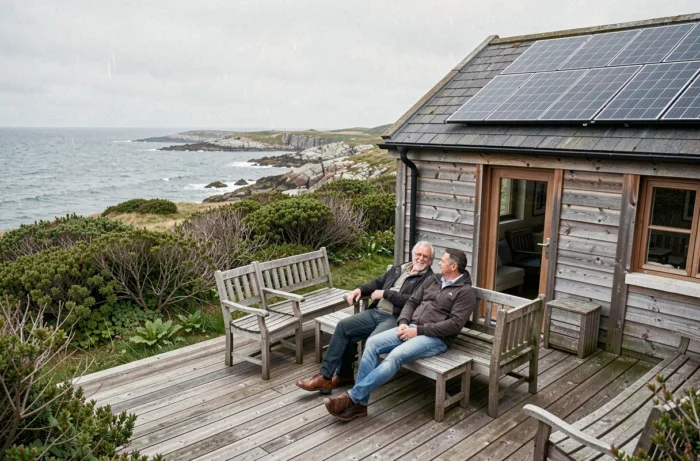
Several Breton islands offer accommodations certified in responsible tourism. Staying on-site, rather than making a round trip in one day, radically transforms the experience.
Staying on an island allows you to enjoy the site after the day-trippers leave. In the evening, the paths empty, the light changes, and the relationship to the landscape becomes entirely different. Accommodation capacities remain limited, hence the need to book early.
9. Visit Landéda and the northern coast of Finistère in the off-season
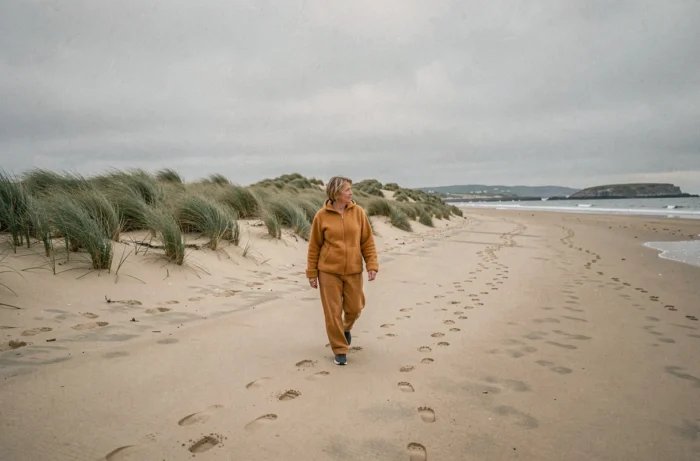
Landéda is attracting more and more visitors thanks to its dunes, preserved beaches, and proximity to Île Vierge. In the off-season, visitor numbers drop significantly while the weather often remains mild.
This area of northern Finistère still escapes the summer overcrowding affecting Saint-Malo or Quiberon. It is a relevant choice for families seeking nature without the crowds, with coastal paths accessible to children.
10. Enjoy the coastal refuge effect during heatwaves
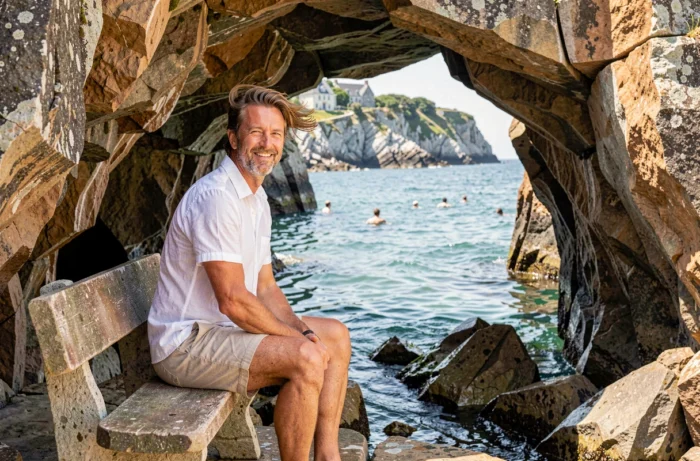
The Breton coast acts as a natural climate refuge during heatwaves. When temperatures rise in the rest of France, the Breton coastline maintains significantly more bearable temperatures thanks to sea breezes.
This phenomenon was observed in the summer of 2026 on the Emerald Coast, where demand shifted massively towards the beaches. The downside: some heritage sites in the hinterland experience a relative slowdown, making it paradoxically a good time to visit them in peace.
Brittany rewards those who venture off standardized routes. Access quotas on the islands, growing cyclotourism, seaweed gastronomy, guided marine observation: each idea here is based on a real experience, not a postcard. The choice of timing, region, and pace of visit makes all the difference between a stay endured and a stay mastered.