The fashion trends of the season are no longer just a checklist of items to tick off. With the rise of the second-hand market, new European regulations on unsold textiles, and an evolving relationship with pricing, the parameters that shape a unique style have changed. This article measures the gaps between trends seen on the runways and actual consumption dynamics to identify what deserves a clothing investment this season.
Trendy Pieces of the Season: Runways vs. Real Wardrobe
The spring-summer 2026 shows highlighted a number of recurring silhouettes. The table below contrasts the most visible pieces on the runways with their potential longevity in a daily wardrobe.
| Trendy Piece | Runway Presence (notable brands) | Everyday Versatility | Resale Potential |
|---|---|---|---|
| Flowy Long Dress | Loewe, Miu Miu, Saint Laurent, Tom Ford | High (office, evening, weekend) | Strong in the second-hand market |
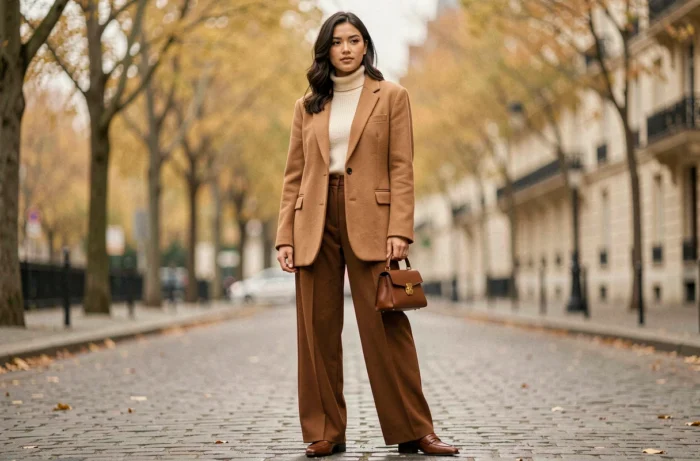
| Structured Wide Pants | Present in the majority of collections | High (casual chic, formal) | Medium to strong |
| Coordinated Set | Cross-trend | Medium (depends on the pattern) | Medium |
| Cape or Cocoon Garment | Sacai, Julie Keglers | Limited (seasonal, autumn-winter) | Low to medium |
| Barrel Jeans | Streetwear and designer trend | High | Strong (denim always sought after) |
The flowy long dress and structured wide pants stand out due to their combination of visibility on the runways and real-world usage. These are pieces that transcend multiple seasons, making them relevant for those seeking a personal style rather than a disposable look.
The catalogs of fashion on Foxoo allow for quick comparisons of available pieces based on their cut and price range, including in the second-hand segment.
Colors and Fashion Palettes: What Online Searches Reveal
The color trends announced by designers do not always align with what consumers adopt. The Pinterest Predicts report, which analyzes search volumes on the platform, highlights significant discrepancies.
The runways of Milan and Paris pushed vibrant shades: orange, pink, butter yellow, olive green, sky blue. In contrast, user searches show a persistent appeal for more neutral palettes and natural tones, driven by a sustainability logic.
- Butter yellow remains the most searched color among vibrant shades, due to its ability to integrate into an existing wardrobe without replacing everything.
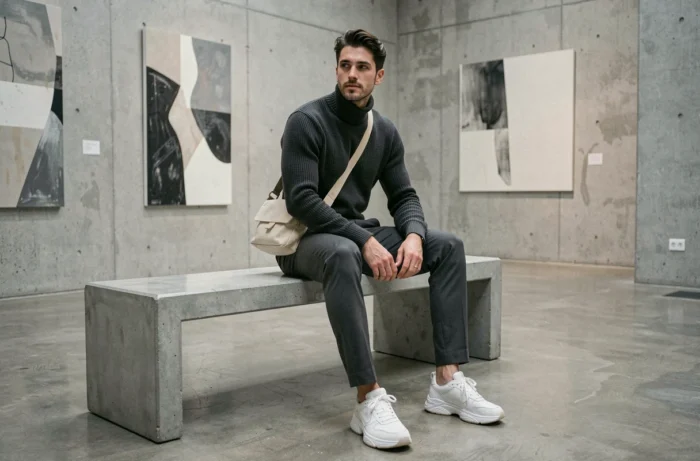
- Neutral tones (beige, ecru, taupe) dominate queries related to pants and jackets, indicating that visual comfort outweighs chromatic boldness for bottom pieces.
- Saturated colors work better on accessories (bags, jewelry, scarves) than on main pieces, explaining the rise of expressive accessories as a differentiation lever.
This data changes the purchasing strategy. Betting on a neutral base and injecting color through accessories allows for a refreshed look without having to buy a complete wardrobe each season.
European Regulations on Unsold Textiles: A Direct Impact on Style
A factor rarely addressed in fashion trend guides: European regulations now prohibit the destruction of unsold clothing. Brands must develop strategies for resale, refurbishment, and recycling rather than shredding or burning their stock.
The concrete consequence is an increase in supply on second-hand and outlet circuits. Pieces from past collections, limited capsules, and prototypes that would have been destroyed are now accessible. To build a unique style, this source is richer than the traditional seasonal boutique circuit.
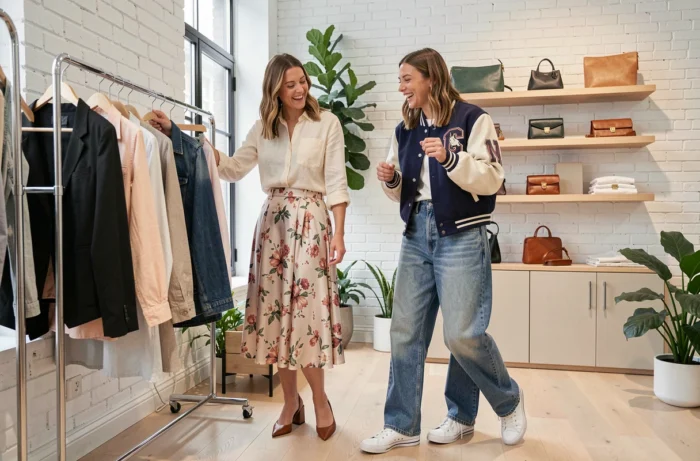
Resale platforms are mechanically expanding their catalogs. Finding a designer piece from a previous collection, in a color or cut that is no longer produced, becomes a real stylistic advantage. Vintage and resale are no longer just an ethical choice, but a concrete lever to stand out from uniform looks dictated by current trends.
Price Tolerance and Shift in Fashion Budget
Market analyses for the fashion period 2026-2027 point to a phenomenon that alters clothing choices. Consumers are increasingly unwilling to accept high prices for pieces perceived as ephemeral. The budget is shifting towards two categories.
The first: durable pieces with high perceived value. A well-cut wide pant, quality jeans, or a flowy dress in noble fabric capture an increasing share of the budget, at the expense of impulsive purchases of pieces heavily marked by seasonal trends.
The second: accessories and jewelry. Rings, brooches, oversized earrings, or structured bags allow for transforming a basic outfit into a personal look. The second-hand market is growing faster than that of new, and this dynamic is accelerating as we approach 2027.
This budget shift has a direct implication on building a unique style. Buying fewer pieces, choosing them with longevity in mind, and investing the difference in distinctive accessories or vintage finds produces a more personal result than a complete wardrobe renewal each season.
Building a Seasonal Style Without Dependence on Ephemeral Trends
The data converges towards an approach that moves away from the “must-have list” reflex. Unique style this season relies on three measurable choices:
- Favor pieces that appear in the high versatility table (flowy dress, wide pants, barrel jeans) rather than silhouettes with limited lifespan.
- Leverage the second-hand circuit enriched by European regulations to find rare pieces, outside of current collections.
- Concentrate color and expression on accessories rather than main pieces, following actual search volumes rather than runway dictates.
The most structuring fashion trend of this season is not a color or a cut. It is the shift towards a wardrobe thought of in cost per use rather than purchase price, where each piece gains value as it is worn.