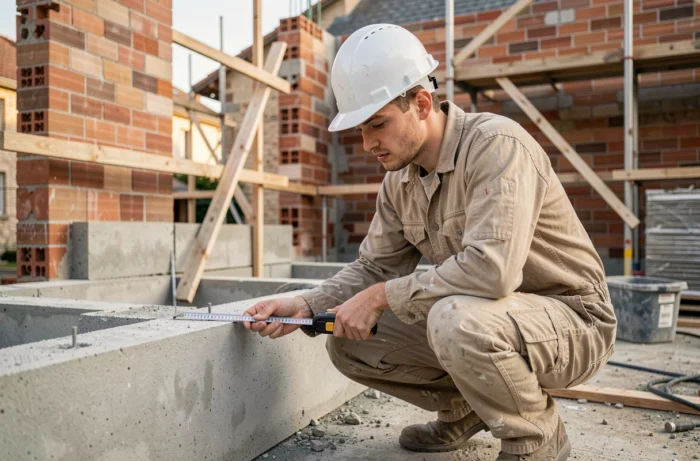
In Ille-et-Vilaine, construction companies are struggling to recruit for positions ranging from CAP to bac+5. Whether you are looking for a first qualification or a progression towards project management, the department offers pathways tailored to each entry level. The choice of training, diploma, and learning mode directly influences the speed of access to employment and the type of position sought.
Energy renovation and sustainable construction: the specialties that are hiring in Ille-et-Vilaine
Competitors often list traditional trades (mason, electrician, plumber). They overlook a significant shift: the energy renovation of the tertiary and residential sectors is driving demand for new skills.
In Rennes and neighboring municipalities, rehabilitation projects are multiplying. Companies are looking for profiles capable of installing external insulation, setting up efficient ventilation systems, or working on complex building envelopes. The BTS in building envelope, offered at the Montgermont campus, directly addresses this need.
Professional titles like the CAREB (Energy Renovation Project Manager) also target this niche. This type of training combines technical skills and project management: cost estimation, coordination with design offices, and site supervision. You don’t just learn a skill; you learn to manage a renovation project.
The training offered on batiment-cfa-35.fr covers these fields, from CAP installer in refrigeration to BTS, with equipment including the BIM digital model and virtual reality to simulate construction site situations.
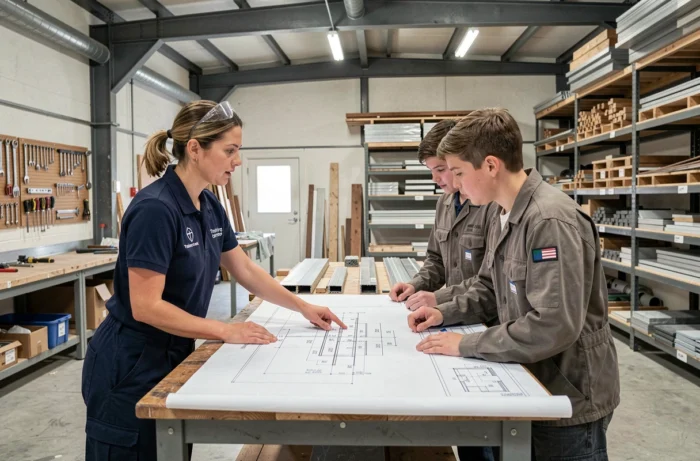
Apprenticeship in construction: what changes with the choice between CAP, professional title, and BTS
Are you hesitating between a CAP carpenter, a professional title, or a BTS? This choice is not just a matter of duration. It determines the type of position accessible immediately after training.
The CAP: quick access to the site, even without experience
A CAP apprenticeship generally lasts two years. It prepares for skilled worker positions. A recent offer in Fougères for a position as a metal framework worker accepted a CAP level without prior experience. The trade-off: some sites require specific qualifications like the CACES platform lift.
The professional title: retraining and specialization
State-recognized professional titles are also aimed at job seekers and employees in retraining. These short programs lead directly to a job that is hiring.
The BTS: aiming for project management
With a BTS, the job opportunities change in nature. Offers in Ille-et-Vilaine show a demand for site managers, TCE project managers (all trades), or construction economists. These positions require the ability to manage costs, deadlines, coordination meetings, and interactions with subcontractors and project owners.
The BTS opens the door to project management, not just execution. This is a point that many candidates underestimate when choosing their orientation.
Field constraints: mobility, pace, and site conditions in Ille-et-Vilaine
Before committing to a construction training program, consider an aspect rarely detailed in brochures: the logistical realities of the job in the department.
- Not all construction sites are in Rennes. An offer in Fougères included travel and outdoor work in all weather conditions. Geographic mobility remains a key recruitment criterion, especially for temporary positions.
- The pace of apprenticeship alternates between weeks in the company and weeks at the CFA. Check the accommodation arrangements offered by the campus to anticipate logistical organization.
- Jobs in structural work (formworker, rebar worker, mason) involve sustained physical labor. Training includes practical situations, but physical fitness remains an implicit prerequisite that is rarely mentioned.
Gathering information in advance, visiting a construction site during open days, or doing an observation internship reduces the risk of a mismatch between expectations and the reality of the field.
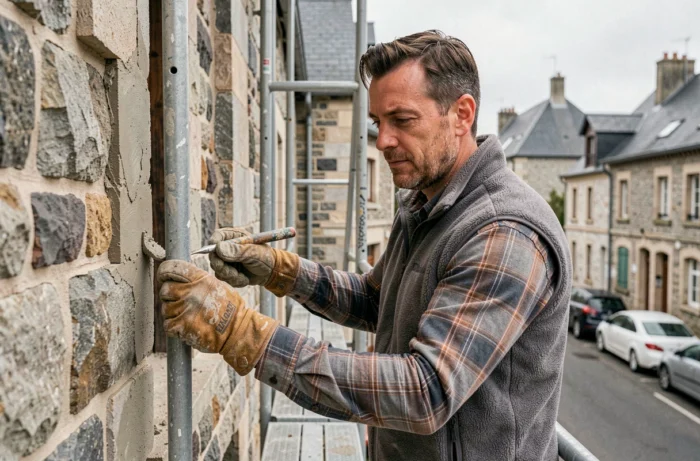
Digital skills in construction: a concrete advantage in the Rennes market
Training for construction trades is no longer limited to manual skills. Companies in Ille-et-Vilaine that are hiring for management positions expect proficiency in digital coordination tools.
BIM (Building Information Modeling) allows for 3D modeling of a building before its construction. Knowing how to read and contribute to a BIM model becomes an asset for both technician profiles and site managers. The Montgermont campus incorporates this tool into its programs, which is not the case for all training institutions.
Document management, intervention planning, budget tracking: these transversal skills distinguish a recently trained candidate from a self-taught profile. For project manager or site manager positions, they have become a prerequisite in job postings in the Rennes area.
The construction sector in Ille-et-Vilaine is hiring at all levels, from CAP to bac+5. The choice of diploma determines the type of position, but it is the knowledge of the field that makes the difference. Visiting a campus, talking with apprentices in position, and consulting actual job offers in the department remains the best way to build a pathway suited to your situation.