
The European regulatory framework is reshaping collections even before artistic directors put down their sketches. Since July 19, 2026, the Ecodesign for Sustainable Products Regulation (ESPR) prohibits large companies from destroying unsold textiles in the European Union. This upstream constraint alters production volumes, material choices, and the anticipated lifespan of each piece. The fashion trends of this season bear the mark of this structural shift.
ESPR Regulation and Fashion Trends: How the Standard Shapes Collections
The destruction of unsold clothing, accessories, and shoes is now banned for major brands. They must prioritize resale in outlets, donations, repairs, or refurbishment, and publish an annual report detailing the volumes involved.
Medium-sized companies will be subject to the same obligations starting in 2030. Micro-enterprises remain exempt for now.
We are observing a direct effect on the collections offered in stores this season: limited editions are multiplying, restocks are shorter, and versatile pieces are gaining ground. Producing less but better is no longer just a slogan; it is an accounting obligation.
At the same time, the revision of the Waste Directive imposes a harmonized extended producer responsibility (EPR textile) at the European level. Brands will have to finance the collection, sorting, and recycling of the clothing they place on the market, with transposition by member states expected before June 2027.
This mechanism pushes creators towards mono-fiber materials, which are easier to recycle. Current collections thus favor pieces made of pure linen, unmixed cotton, or virgin wool without elastane.
Exploring the fashion universe on Clarivox allows you to see how these regulatory constraints are concretely reflected in the wardrobes offered this season.
Key Materials and Colors for the Autumn-Winter 2026 Season
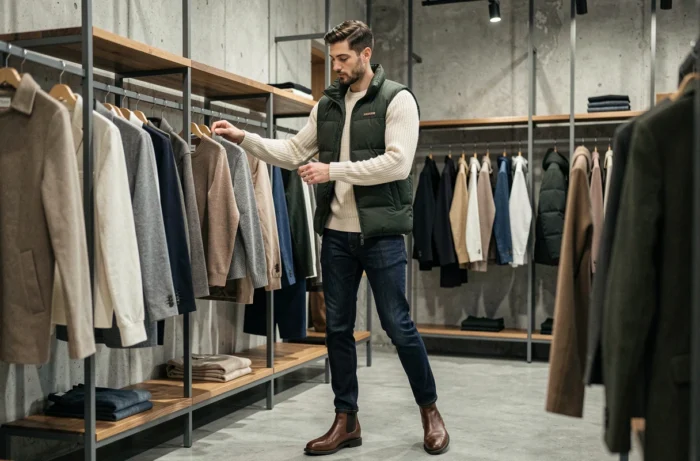
Smooth leather, suede, and denim form the trio of materials that structure the silhouettes for the new season. Spring identifies these three textures as the foundation of the wardrobe, available in sober and natural shades with a few vibrant touches.
Kaki, olive green, and concrete gray dominate the palette of military-inspired jackets, a category described as “premium military” by retailers. We recommend addressing this trend through cut rather than the accumulation of patches: a structured parka in a sober technical fabric is enough to capture the code without falling into costume.
Butter Yellow and Warm Tones: The Chromatic Accents to Remember
Butter yellow, spotted as early as spring-summer 2026, continues its trajectory in a more muted version for autumn. Paired with neutral bases (beige, ecru, off-white), it brings a bright break without overloading the silhouette.
Earthy colors and honey tones replace total black in the most refined wardrobes. This chromatic shift is partly explained by dyeing constraints: natural pigments and low-water-impact processes favor these warm ranges.
Barrel Jeans and Structured Cuts: The Silhouettes Defining Style This Season
The barrel jean emerges as the reference denim cut. High-waisted, wide thighs, and a tapered hem: this geometry creates a distinct volume from wide-leg and straight styles, while remaining more wearable than a classic balloon jean.
Its construction requires denim that is rigid enough to hold the volume without sagging. We recommend a dense, non-stretch fabric to maintain the architectural line through washes. A 100% cotton denim also meets the future recyclability requirements imposed by the textile EPR.
- Smooth leather or suede aviator jacket: the layering piece that replaces the blazer for back-to-school silhouettes, worn open over a fine turtleneck.
- Tailored trousers with a crease: an alternative to barrel jeans for semi-formal contexts, made of unmixed wool, with a slightly flared straight cut.
- Linen or thick cotton shirt dress: a transitional piece that works alone in early autumn and then under a structured jacket as temperatures drop.
- Cut-out ballerinas: identified as a major shoe trend for the season, they lighten silhouettes built around high volumes.
Combining Volumes Without Losing Clarity
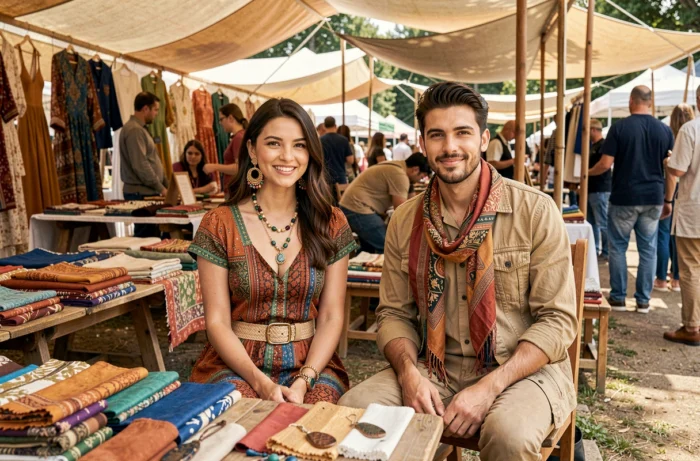
The rule of proportion remains the same: only one loose volume per silhouette. Wide barrel jeans at the bottom, fitted top at the top. Oversized jacket on top, tapered trousers at the bottom. Doubling loose volumes creates an amorphous effect that this season’s structured wardrobe precisely seeks to avoid.
Accessories play a calibrating role. A belted waist on a premium military jacket or a medium-sized rigid bag is enough to anchor the silhouette.
Rental and Second-Hand: The Fashion Circuits Gaining Momentum
The online clothing rental market is experiencing sustained growth, driven by a changing relationship with ownership. Rental fashion platforms allow access to trendy pieces of the season (designer dress, leather jacket, branded accessories) without purchasing them.
Second-hand and vintage capture an increasing share of fashion purchases, particularly for denim and leather pieces that improve with age. The ban on destroying unsold items mechanically feeds these circuits: the excess stock of major brands is redirected to resale channels rather than being destroyed.
- Outlet resale and clearance: the main channel for disposing of surpluses since the ESPR came into effect.
- Subscription rental platforms: a model suited for strong seasonal pieces that are worn a few times and then renewed.
- Thrift stores and vintage shops: access to cuts and materials unavailable in current collections, with a favorable environmental impact.
Adopting a unique style this season involves both the choice of pieces and the way they are acquired. Second-hand and rental circuits are no longer marginal alternatives; they now structure the offering on par with new collections. The most relevant wardrobe combines durable basics bought new, strong pieces rented or thrifted, and attention to materials that anticipates upcoming recyclability standards.